How Clinics Verify Aesthetic Product Authenticity and Batch Traceability
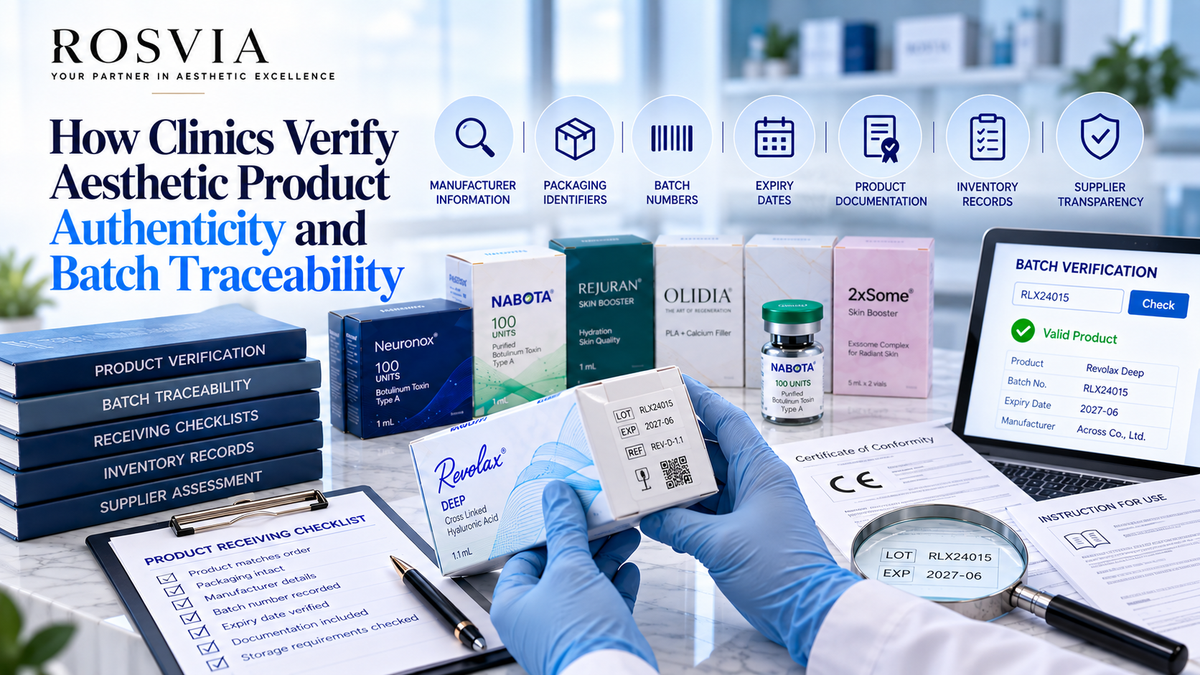
Product authenticity is an important consideration when aesthetic clinics purchase professional products. Beyond comparing brands, formulations, and prices, professional buyers need confidence that the products they receive correspond with the manufacturer's stated identity and specifications.
Batch traceability adds another important layer to this process. By reviewing manufacturer information, packaging identifiers, batch numbers, expiry dates, and purchasing records, clinics can establish a more structured approach to product verification and inventory management.
In This Article
- Understanding product authenticity and batch traceability
- Verify manufacturer and product information
- Examine packaging and labelling
- Check batch numbers and expiry dates
- Review product documentation
- Maintain accurate purchasing and inventory records
- Understand what verification can and cannot establish
- Work with transparent professional suppliers
- Create a product receiving checklist
- Final Thoughts
Understanding Product Authenticity and Batch Traceability
Product authenticity and batch traceability are related concepts, but they are not identical.
Authenticity concerns whether a product is genuine and corresponds with the manufacturer and product identity represented by the supplier. Batch traceability concerns the ability to identify and follow a particular batch or lot through relevant purchasing and inventory records.
A product may display a batch number without that number independently proving authenticity. Likewise, recognising a familiar product package does not necessarily establish the product's complete sourcing history.
For this reason, professional clinics should approach verification as a combination of product identification, manufacturer information, supplier assessment, documentation, and appropriate recordkeeping.
Verify Manufacturer and Product Information
The first step in evaluating authenticity is identifying the manufacturer and confirming the product being purchased.
Professional buyers can review the manufacturer's name, product designation, formulation, presentation, and any relevant product-specific information supplied through official channels.
When available, manufacturer documentation or authorised verification services may help confirm whether product identifiers correspond with a genuine product. The availability and scope of these services vary between manufacturers and product categories.
Clinics should avoid assuming that a recognised brand name alone establishes authenticity. Verification should relate to the specific product and the channel through which it is being supplied.
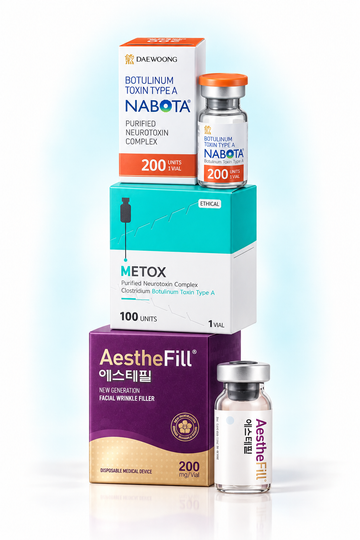
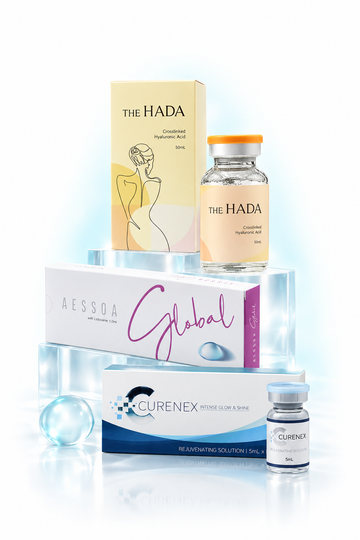
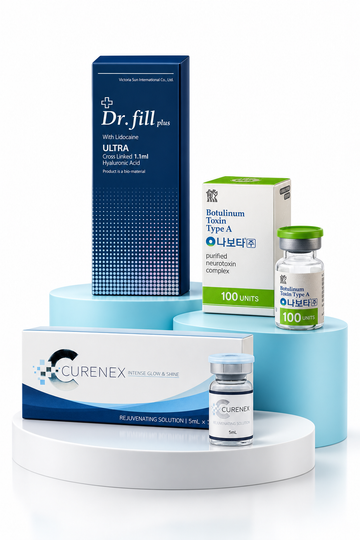
Rosvia provides professional product categories including Botulinum Toxins, Hyaluronic Acid Fillers, and Skin Boosters for licensed professional buyers.
Examine Packaging and Labelling
Packaging and labelling provide useful information during product verification, particularly when clinics receive professional aesthetic products from an online supplier.
Depending on the product, relevant information may include the manufacturer, product name, presentation, quantity, batch or lot identifier, expiry date, storage instructions, and applicable regulatory or identification markings.
Clinics can examine whether the packaging is intact, whether the product received corresponds with the order, and whether relevant information is consistent across the available labels and documentation.
Visible packaging discrepancies, damaged seals, missing identifiers, or unexpected differences should be investigated before the product is accepted for professional use.
However, packaging appearance alone is not definitive proof of authenticity. Counterfeit products may imitate genuine packaging, making additional verification important when concerns arise.
Check Batch Numbers and Expiry Dates
Batch or lot numbers are identifiers associated with particular manufacturing batches. Where applicable, they help clinics distinguish products that may otherwise have identical names and presentations.
During receiving, clinics can review the batch number and expiry date displayed on the product and compare them with other available product information.
These details can also be recorded in the clinic's inventory system to support product identification, stock rotation, and responses to manufacturer notices or recalls.
An important distinction is that a printed batch number does not independently establish that a product is genuine. Where verification is required, confirmation through the manufacturer or another appropriate authorised source may be necessary.
Clinics should also check that products remain within their stated shelf life and that the applicable manufacturer storage conditions have been respected.
Review Product Documentation
Documentation is another important part of professional product verification. The type of documentation required depends on the product's classification, intended use, and the country in which it is supplied or used.
Depending on the product, relevant information may include manufacturer instructions, product specifications, regulatory documentation, authorised labelling, and applicable certificates or declarations.
Professional buyers should verify that any documentation relates to the specific product rather than assuming that a general manufacturer certificate applies to every item within a brand's portfolio.
Regulatory requirements also differ between medicinal products, medical devices, and cosmetic products. Clinics should confirm the requirements applicable to their jurisdiction and the individual product before purchasing or using it.
Maintain Accurate Purchasing and Inventory Records
Product traceability becomes more useful when clinics maintain consistent purchasing and receiving records.
Depending on applicable requirements, useful records may include the supplier, order date, invoice or order reference, product name, quantity received, batch or lot identifier, expiry date, and receiving date.
These records can help purchasing teams identify which products were received through a particular order and which batches remain within the clinic's inventory.
Accurate documentation may also support stock rotation, supplier communication, and appropriate action if a manufacturer issues a product-related notice.
Recordkeeping obligations vary by product and jurisdiction. Clinics should follow applicable professional and regulatory requirements, including any additional traceability obligations associated with products used in clinical practice.
Understand What Verification Can and Cannot Establish
Product verification is strongest when clinics understand the limitations of individual checks.
For example, an intact package may suggest that the product has not been visibly damaged, but it does not independently prove authenticity. A matching batch number may support identification, but it does not necessarily confirm the product's complete supply history.
Similarly, documentation should be evaluated for its relevance, validity, and connection to the specific product being purchased.
When a discrepancy cannot be resolved, clinics should avoid using the affected product until the concern has been appropriately investigated. The manufacturer, supplier, or relevant regulatory authority may need to be contacted depending on the nature of the issue.
This measured approach helps distinguish routine receiving checks from more formal authenticity or regulatory verification.
Work With Transparent Professional Suppliers
Supplier transparency plays an important role in professional aesthetic purchasing.
Clinics can assess whether a supplier provides clear company information, product identification, purchasing policies, communication channels, and support when documentation or order-related questions arise.
Reliable communication becomes particularly important when a clinic identifies an unexpected packaging difference, requires additional product information, or needs clarification about an existing shipment.
Professional buyers can learn more about Rosvia through the About Rosvia page, review delivery information in the Shipping Policy, or contact the Rosvia team for purchasing assistance.
Create a Product Receiving Checklist
A consistent receiving checklist can help clinics establish a more organised approach to product verification.
Before accepting products into inventory, the receiving team can confirm that the delivered items match the order, examine packaging condition, review relevant manufacturer and product identifiers, record batch numbers and expiry dates where applicable, and check product-specific storage information.
Any unexpected discrepancies can be documented and referred for clarification before the affected product is released for use.
The checklist should reflect the product category, manufacturer instructions, applicable regulatory requirements, and the clinic's internal quality procedures.
By applying the same receiving principles consistently, clinics can strengthen traceability and reduce dependence on informal or inconsistent product checks.
Final Thoughts
Product authenticity and batch traceability are important parts of professional aesthetic purchasing, but they address different questions. Authenticity concerns whether a product is genuine, while traceability concerns the ability to identify and follow a particular product batch through relevant records.
Clinics can support a more structured verification process by reviewing manufacturer information, packaging and labelling, batch identifiers, expiry dates, applicable documentation, supplier transparency, and receiving records.
No single visual identifier should be treated as conclusive proof of authenticity. Where concerns arise, appropriate manufacturer or authorised verification should take priority over assumptions based on packaging appearance alone.
Rosvia supports licensed aesthetic professionals with access to professional aesthetic product categories, organised purchasing information, fulfilment support, and assistance with order-related enquiries.
Explore Rosvia's Botulinum Toxins, Hyaluronic Acid Fillers, Skin Boosters, and PLA & Calcium Fillers, or contact Rosvia for professional purchasing assistance.