How Aesthetic Product Manufacturers Organise Their Product Ranges
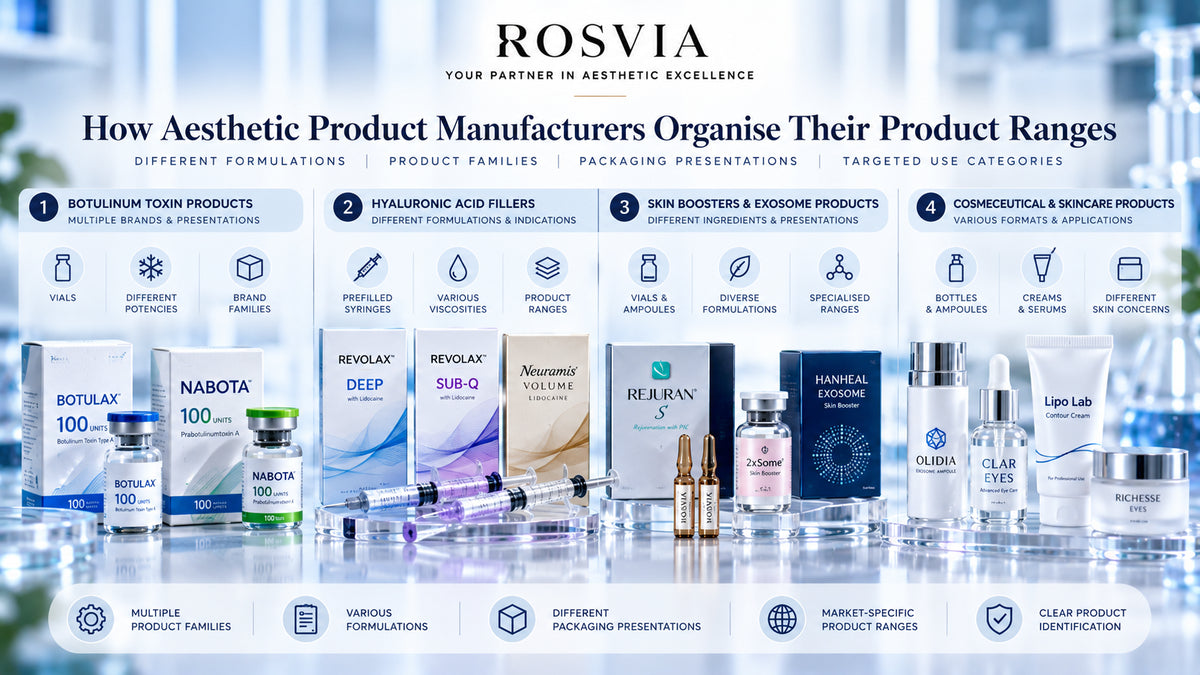
Professional aesthetic manufacturers often offer more than one product within their commercial portfolios. A single manufacturer may develop several formulations, packaging presentations, and product families, each identified through specific technical characteristics and product documentation.
Understanding how these portfolios are organised provides useful context for interpreting manufacturer catalogues and professional aesthetic product information. This article explores the main factors that influence product range organisation, including ingredient categories, formulation characteristics, packaging, brand identity, and regulatory requirements.
In This Article
- Understanding Manufacturer Product Portfolios
- Product Families and Brand Identity
- Organisation by Ingredient Category
- Formulation Differences Within Product Ranges
- Different Product Presentations
- Packaging and Product Identification
- Market-Specific Product Ranges
- Manufacturer Documentation
- Product Portfolio Organisation at a Glance
- Final Thoughts
Understanding Manufacturer Product Portfolios
A product portfolio refers to the collection of products developed, manufactured, or marketed by a company.
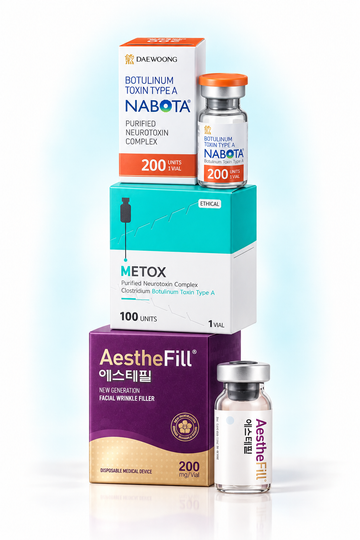
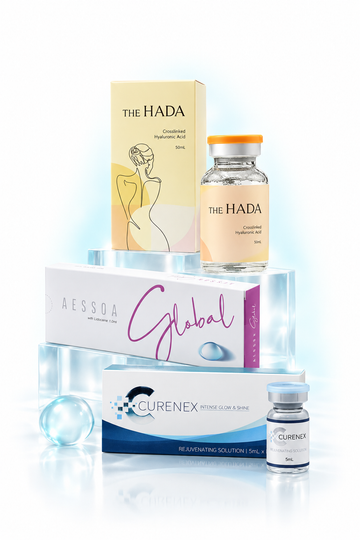
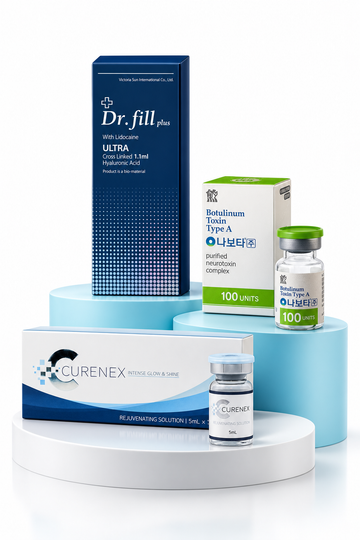
Within the professional aesthetics industry, portfolios may include botulinum toxin products, hyaluronic acid fillers, skin boosters, and cosmetic formulations.
Some manufacturers specialise in one category, while others develop products across several categories.
Products may be organised according to their active ingredients, formulation characteristics, commercial brand families, or pharmaceutical presentations.
These organisational approaches help distinguish products with different technical specifications, even when they share the same manufacturer.
Product Families and Brand Identity
A product family is a group of related products marketed under a shared brand identity.
Manufacturers may use a common brand name alongside additional descriptors to distinguish different formulations or presentations.
For example, the Revolax dermal filler family includes products marketed under names such as Revolax Fine, Revolax Deep, and Revolax Sub-Q.
These names identify different commercial presentations within the broader Revolax product family.
Similarly, certain botulinum toxin brands are marketed in multiple labelled potency presentations.
A shared brand identity does not necessarily mean that all products within a family have identical compositions or specifications.
Organisation by Ingredient Category
One of the most common ways to organise professional aesthetic products is by their principal ingredient category.
Botulinum Toxin Products
These products contain botulinum toxin preparations and are associated with specific pharmaceutical manufacturers and regulatory requirements.
Rosvia groups relevant products within its Botulinum Toxins
Hyaluronic Acid Fillers
Hyaluronic acid fillers contain HA-based formulations that may differ in concentration, cross-linking, rheological properties, and other characteristics.
These products form part of Rosvia's Hyaluronic Acid Fillers
Skin Boosters and Related Formulations
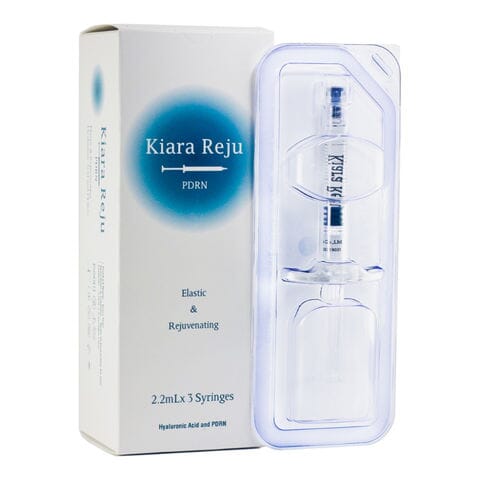
Products marketed as skin boosters may contain hyaluronic acid, polynucleotides, PDRN, peptides, or other ingredients.
These formulations can be grouped according to their composition, although the term "skin booster" is not a single universal regulatory classification.
Rosvia's Skin Boosters and Exosome Products
Formulation Differences Within Product Ranges
Manufacturers may develop multiple formulations using the same broad ingredient category.
For hyaluronic acid-based products, differences may include polymer concentration, molecular characteristics, cross-linking, and rheological properties.
For polynucleotide-based products, manufacturers may distinguish formulations through concentration, molecular size distribution, or source material.
Biological pharmaceuticals may differ in manufacturing processes, formulation components, and product-specific potency measurements.
These differences contribute to the identity of individual products within a manufacturer portfolio.
However, formulation distinctions should not automatically be interpreted as evidence of superior quality or clinical performance.
Different Product Presentations
Product portfolios may also be organised according to the presentation of the finished product.
Common presentations include pharmaceutical vials, prefilled syringes, ampoules, cosmetic bottles, and other specialised containers.
Manufacturers may offer different nominal volumes or labelled potency presentations within the same product family.
For example, certain botulinum toxin brands are marketed in several potency-labelled vial presentations.
Hyaluronic acid filler families may include multiple formulations supplied in prefilled syringes.
The physical presentation is one component of product identity and does not independently establish the product's regulatory classification or clinical characteristics.
Packaging and Product Identification
Packaging design can help distinguish products within a manufacturer's portfolio.
Manufacturers may use consistent visual branding while varying product names, colour accents, or other identifying details between presentations.
Packaging may also display information such as the manufacturer, formulation description, batch number, expiry date, nominal quantity, and storage statements.
These details contribute to product identification and traceability.
Although packaging designs can differ, visual appearance alone does not establish product authenticity, regulatory authorisation, or pharmaceutical equivalence.
Official product information provides the relevant technical context.
Market-Specific Product Ranges
Manufacturers may offer different product ranges in different countries.
This can occur because of differences in regulatory authorisations, commercial distribution arrangements, and local market requirements.
A formulation or presentation marketed in one jurisdiction may not be authorised or commercially available in another.
Packaging language, identification systems, and required regulatory statements can also differ between markets.
Therefore, an international manufacturer's complete product catalogue should not automatically be interpreted as a list of products authorised in every country.
Product-specific regulatory documentation provides the appropriate context for understanding market availability.
Manufacturer Documentation
Manufacturer documentation is an important source of information about the characteristics of individual products.
Depending on the product category, documentation may include ingredient specifications, pharmaceutical forms, packaging descriptions, stability information, and regulatory details.
Medicinal products may have authorised product information, while medical devices and cosmetics are subject to different documentation requirements.
These documents help distinguish between products that may share similar commercial names or packaging designs.
They also provide more detailed information than a brief product catalogue listing.
Product Portfolio Organisation at a Glance
The following table summarises the main characteristics manufacturers may use to organise professional aesthetic product ranges.
| Organisation Method | What It Describes | Example |
|---|---|---|
| Product family | Related products marketed under a shared brand | Revolax Fine, Deep, and Sub-Q |
| Ingredient category | The principal substance or ingredient group | Hyaluronic acid, polynucleotides, botulinum toxin |
| Formulation characteristics | Differences in composition or physical properties | Concentration, cross-linking, molecular characteristics |
| Product presentation | The format in which the finished product is supplied | Vials, prefilled syringes, ampoules |
| Packaging identity | Branding and product-specific label information | Product names, batch numbers, expiry dates |
| Regulatory classification | The legal category applicable to the product | Medicinal product, medical device, cosmetic |
| Market availability | The countries or regions in which a product is marketed | Jurisdiction-specific product portfolios |
These organisational methods may overlap. A single product can belong to a brand family, ingredient category, formulation group, and regulatory classification simultaneously.
Final Thoughts
Professional aesthetic manufacturers organise their product ranges using several interconnected characteristics, including brand identity, ingredient composition, formulation properties, packaging presentations, and regulatory requirements.
Understanding these distinctions provides useful context for interpreting product catalogues and recognising how related products differ within a manufacturer's portfolio.
Although products may share a manufacturer or commercial brand family, their individual specifications and regulatory status remain product-specific.
This article is intended exclusively for general professional education. It does not provide treatment recommendations, administration instructions, clinical protocols, or prescribing guidance.
Rosvia provides licensed aesthetic professionals with access to professional aesthetic product categories and relevant product information. Explore our Botulinum Toxins, Hyaluronic Acid Fillers, and Skin Boosters collections, learn more about Rosvia, or contact our team for professional product enquiries.