Understanding How Botulinum Toxin Products Are Manufactured
Botulinum toxin products belong to a specialised category of biological pharmaceuticals. Unlike conventional medicines produced primarily through chemical synthesis, these products contain biologically derived active substances that require complex manufacturing systems, specialised quality controls, and extensive pharmaceutical documentation.
Although individual manufacturers use different technologies and proprietary processes, the broader manufacturing framework includes biological production, purification, formulation, quality evaluation, and packaging. This article provides a general educational overview of these stages without describing laboratory production methods or technical operating procedures.
In This Article
- Understanding Biological Pharmaceutical Manufacturing
- The Biological Origin of Botulinum Toxin
- Controlled Manufacturing Environments
- Purification and Product Identity
- Pharmaceutical Formulation
- Quality-Control Testing
- Packaging and Labelling
- Why Manufacturing Processes Differ Between Brands
- Regulatory Oversight and Documentation
- Final Thoughts
Understanding Biological Pharmaceutical Manufacturing
Biological pharmaceuticals are medicinal products whose active substances originate from biological sources.
Botulinum toxin products are examples of biological medicines because their active substances are proteins produced through biological processes.
The manufacture of biological pharmaceuticals differs from that of many conventional chemically synthesised medicines.
Biological products are generally sensitive to differences in their production environment, manufacturing history, and formulation characteristics.
For this reason, manufacturing processes and quality-control systems form an important part of the identity of the finished pharmaceutical product.
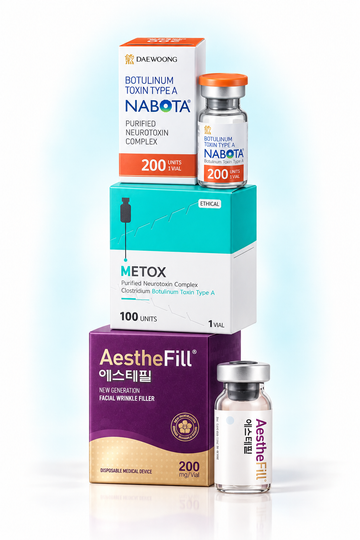
Products within Rosvia's Botulinum Toxins category may originate from different manufacturers with distinct production technologies and product specifications.
The Biological Origin of Botulinum Toxin
Botulinum neurotoxins are proteins naturally produced by certain bacteria belonging to the Clostridium group.
Several botulinum neurotoxin serotypes have been identified, including type A, which is used in a number of authorised pharmaceutical products.
The active substance is a protein with a defined molecular structure and biological activity.
Because botulinum toxin is biologically derived, its pharmaceutical production requires specialised facilities and regulatory controls.
The biological origin of the active substance is one reason these products are classified differently from many conventional small-molecule medicines.
Controlled Manufacturing Environments
Pharmaceutical manufacturers operate under quality systems designed to maintain consistency and compliance with applicable regulatory requirements.
These systems include documented procedures, qualified equipment, trained personnel, controlled facilities, and manufacturing records.
Good Manufacturing Practice, commonly abbreviated as GMP, provides an internationally recognised framework for pharmaceutical quality management.
GMP requirements address areas such as manufacturing documentation, quality assurance, personnel responsibilities, facility standards, and the investigation of quality deviations.
For biological medicines, these controls are particularly important because the manufacturing process can influence the characteristics of the finished product.
Purification and Product Identity
Purification is an important concept in biological pharmaceutical manufacturing.
Its general purpose is to separate the intended active substance from other materials associated with biological production.
Manufacturers may employ proprietary purification technologies that contribute to the composition and characteristics of their finished products.
For example, Daewoong Pharmaceutical publicly describes its Nabota product in connection with a proprietary technology known as HI Pure.
Different purification approaches can contribute to differences in product composition and associated protein profiles.
However, the name of a purification technology or a general description of product purity should not be interpreted as independent evidence of superior clinical performance.
Product-specific analytical information and regulatory assessments provide the appropriate context for evaluating pharmaceutical quality.
Pharmaceutical Formulation
After the active substance has been prepared, pharmaceutical formulation determines the composition and presentation of the finished medicine.
Botulinum toxin formulations may include excipients, which are substances other than the active ingredient.
Depending on the product, excipients may contribute to stability or other pharmaceutical characteristics.
Some formulations are supplied as dried preparations, while others are marketed in liquid form.
These differences reflect product-specific development and manufacturing decisions.
The exact formulation composition is described in the relevant manufacturer documentation and authorised product information.
Quality-Control Testing
Quality control is a central component of pharmaceutical manufacturing.
Manufacturers establish specifications and testing systems to evaluate whether finished products meet defined quality requirements.
For biological pharmaceuticals, quality assessments may address characteristics such as identity, purity, potency, and other product-specific attributes.
Potency is especially important in the botulinum toxin category because product labels express biological activity in units determined using validated assays.
These potency units are product-specific and should not automatically be considered equivalent between different manufacturers.
Quality-control results are evaluated within the manufacturer's established pharmaceutical quality system and the applicable regulatory framework.
Packaging and Labelling
Once a pharmaceutical product has completed the relevant manufacturing and quality stages, it is supplied in an approved packaging configuration.
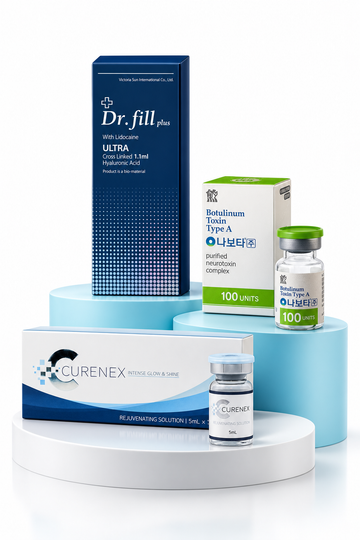
Botulinum toxin products are commonly presented in vials accompanied by outer cartons and product documentation.
Packaging may identify the product name, manufacturer, labelled potency, batch number, expiry date, and storage requirements.
These elements support product identification and pharmaceutical traceability.
Labelling requirements can vary between jurisdictions, so the same product family may have different packaging designs or required statements in different markets.
Our related educational article, Understanding Botulinum Toxin Packaging, Labelling and Product Information, explores these elements in greater detail.
Why Manufacturing Processes Differ Between Brands
Different manufacturers develop botulinum toxin products using their own production systems, pharmaceutical technologies, and quality specifications.
These differences may involve the biological source, purification approach, formulation composition, analytical testing methods, and finished product presentation.
For example, Botulax is associated with South Korean manufacturer Hugel, while Nabota is manufactured by Daewoong Pharmaceutical.
Although both products contain botulinum toxin type A, they remain distinct biological pharmaceutical products.
Differences in manufacturing history and product specifications mean that formulations from separate manufacturers should not automatically be considered identical or interchangeable.
Regulatory Oversight and Documentation
Pharmaceutical manufacturing is subject to oversight by national and regional regulatory authorities.
Regulatory requirements may address manufacturing quality, product specifications, stability information, packaging, and other aspects of pharmaceutical development.
In the European Union, the European Medicines Agency and national competent authorities have roles within the medicinal product regulatory framework.
In South Korea, the Ministry of Food and Drug Safety is responsible for pharmaceutical regulation.
Specific authorisations and product information are jurisdiction-dependent.
A botulinum toxin product authorised in one country should not automatically be assumed to have the same regulatory status in another.
Official manufacturer and regulatory documentation therefore remains an important source of product-specific information.
Final Thoughts
Botulinum toxin manufacturing is a complex pharmaceutical process involving biologically derived active substances, specialised production systems, purification, formulation, quality testing, and regulatory oversight.
Although manufacturers may use different technologies, the overall objective of pharmaceutical quality systems is to support the consistency and defined quality characteristics of the finished product.
Understanding these manufacturing concepts provides useful context for recognising why different botulinum toxin type A products have distinct pharmaceutical identities.
This article is intended exclusively for general professional education. It does not provide laboratory production protocols, manufacturing instructions, dosage information, clinical guidance, or prescribing recommendations.
Rosvia provides licensed aesthetic professionals with access to professional aesthetic product categories and relevant product information. Explore our Botulinum Toxins collection, learn more about Rosvia, or contact our team for professional product enquiries.