
Carrinho
0
Intro
Choosing the right dermal filler is not just about brand preference. It directly impacts treatment results, longevity, and patient satisfaction. For clinics, understanding which filler works best for each area is essential for consistent outcomes.
What makes fillers different from each other?
Dermal fillers vary in viscosity, elasticity, and cohesiveness. These properties determine how the product behaves once injected. Some fillers are designed for deep structural support, while others are better suited for soft, superficial areas. Using the wrong type can lead to poor results or unnecessary corrections.
Which fillers work best for volume and contour?
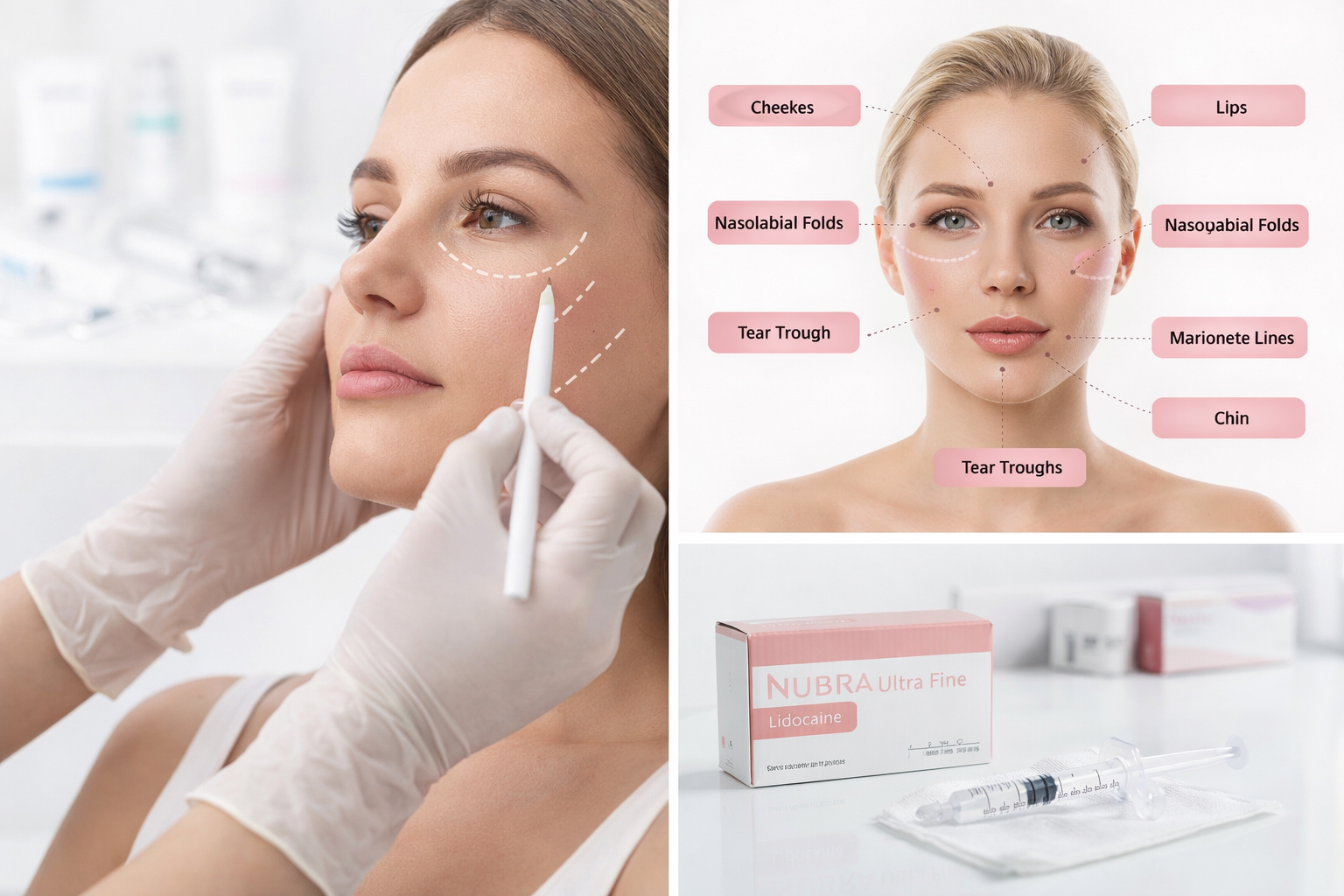
For areas like the cheeks, jawline, and chin, higher-density fillers are preferred. These provide the lift and structure needed to create definition and support. Clinics often choose these fillers for contouring treatments where precision and stability are key.
Explore suitable options in our Best Sellers collection.
What should be used for delicate areas like lips and under-eyes?
Softer, more flexible fillers are ideal for areas that require subtle enhancement. Lips and tear troughs need products that integrate smoothly into the skin without creating stiffness. These fillers allow for natural movement while maintaining a refined appearance.
How can clinics ensure consistent results?
Consistency comes from using reliable products and understanding how they perform across different treatment areas. Sticking to trusted suppliers and maintaining a stable product range helps practitioners refine their technique and deliver predictable outcomes over time.
Looking to stock reliable fillers for every treatment area? Browse our curated selection for more options.
Final Thoughts
Selecting the right dermal filler is a key part of delivering safe and effective treatments. By matching the product to the treatment area, clinics can improve results, reduce complications, and build long-term patient trust.